Table of Contents
- The Journey to explore begins………………
- The Square-Cube Law: Scaling and Survival
- Examples of Mammals and the Square-Cube Law
- Allometry and Isometry: The Growth Patterns of Life
- Types of Allometry
- Positive Allometry
- Negative Allometry
- Types of Allometry
- Metabolism and Body Size: The Cost of Being Giant
- Few examples of Isometry, Allometry, and Metabolism with respect to size in animals and humans
- Isometry (When body proportions remain constant as size increases)
- Allometry (When different parts of the body grow at different rates relative to one another)
- Metabolism and Size (How metabolic rates scale with size)
- Conclusion: Square-Cube Law
- Few examples of Isometry, Allometry, and Metabolism with respect to size in animals and humans
- The Thermoregulation Paradox: Balancing Energy and Environment
- Definitions and Terminologies
- Pros and Cons of Endothermy in Animals: An Integrated View
- Advantages of Endothermy
- Disadvantages of Endothermy
- Conclusion
- Dinosaurs: Cold-Blooded or Warm-Blooded? The Debate Continues
- Posture and Locomotion
- Growth Rates
- Bone Structure and Vascularization
- Feathers and Insulation
- Conclusion: Evidence for Dinosaur Endothermy
- The Secrets Behind Dinosaur Gigantism: A Tale of Air, Heat, and Evolution
- Air Sacs: A Key Adaptation for Gigantic Size
- Allometric Scaling: Overcoming the Limits of Size
- Endothermy: The Fuel for Gigantism
- Evolutionary Path to Gigantism
- Conclusion
The Journey to explore begins………………
When we think of dinosaurs, we often imagine massive creatures roaming the Earth, from the towering Tyrannosaurus rex to the enormous long-necked Brachiosaurus.
The awe-inspiring size of these prehistoric giants raises an intriguing question:
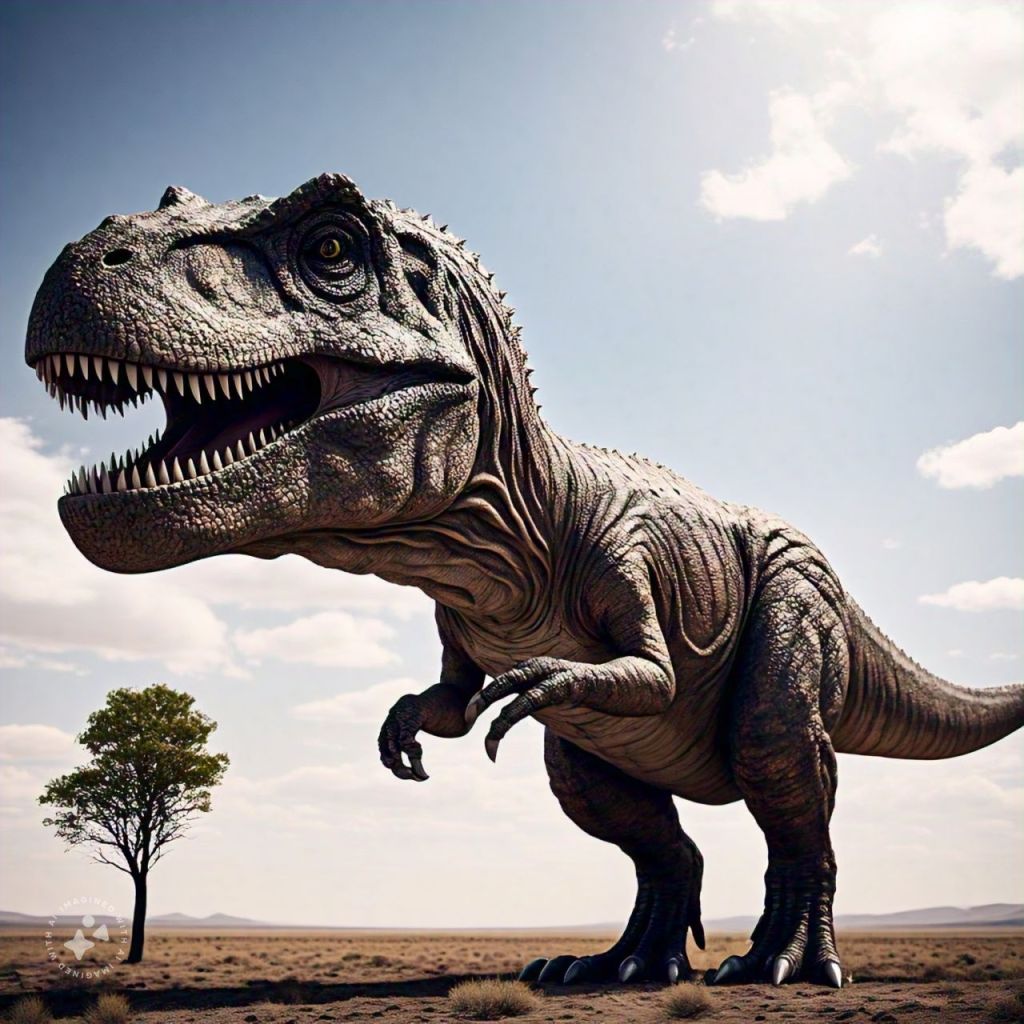
How did such massive creatures survive in the ancient ecosystems?
The answer to this puzzle lies in a concept known as the square-cube law — a fundamental principle of biology that governs how animals grow and how size affects survival.
This law, along with the related ideas of allometry, isometry, and metabolism, can unlock the secrets of dinosaur survival and the hidden patterns of giant life.
The Square-Cube Law: Scaling and Survival
The square-cube law is a principle of geometry that explains how the relationship between an animal’s surface area and its volume changes as it grows in size. In simple terms, when an animal increases in size, its volume (and thus mass) grows at a much faster rate than its surface area. This creates significant challenges for large animals in terms of movement, heat regulation, and overall survival.
To understand the square-cube law, let’s break it down. When a size doubles:
- Surface area (where heat is lost or absorbed, and muscles exert force) increases by the square of the size (i.e., the surface area of a creature is proportional to the square of its length).
- Volume (which correlates with mass and metabolic demand) increases by the cube of the size (i.e., the volume is proportional to the cube of its length).
Thus, when a creature doubles in size, its volume (and mass) increases eight times, while its surface area only increases four times.
This creates a few important consequences:
- Heat Dissipation: A larger animal has more volume but relatively less surface area to dissipate heat. This can lead to overheating in hot environments if the creature does not have mechanisms to regulate temperature.
- Strength and Movement: As size increases, the strength of an animal’s bones and muscles does not scale as quickly as its weight. A massive animal needs significantly stronger bones and muscles to support its body, and even though it has larger muscles, they are not necessarily more efficient.
Examples of Mammals and the Square-Cube Law
Let’s explore the square-cube law through examples of modern mammals:

- Elephants: One of the largest land mammals, elephants show how size affects body structure. Their large bodies require thick, strong legs to support their weight, and their ears help with heat dissipation. Despite their large surface area, they must conserve water and heat, especially in hot climates.
- Whales: The blue whale, the largest animal ever to have existed, faces a similar situation. Despite its size, its surface area to volume ratio means that it can conserve heat in the cold ocean depths. Its size allows it to store massive amounts of energy in the form of blubber, essential for survival in icy waters.
Allometry and Isometry: The Growth Patterns of Life
As animals grow, they don’t necessarily grow in the same proportion across all body parts. The relationship between the size of different body parts and the overall size of an organism is governed by allometry and isometry.
- Isometry refers to a type of growth where the proportions of an animal’s body parts remain constant as it increases in size.
For example, a small animal growing to a larger size would maintain the same ratio of leg length to body size as it had when smaller.
Example: A frog or a mouse undergoes isometric growth where the size of the limbs and body grow proportionally. - Allometry, on the other hand, refers to different body parts growing at different rates. This is more common in larger animals and is essential for adaptation to size.
As animals grow larger, their heads, limbs, and torsos may scale differently to maintain balance, strength, and function.
Example: Elephants demonstrate allometric growth as their massive heads and trunks grow disproportionately to their limbs, helping them perform specialized tasks like grasping food or cooling down through their ears.
In the case of dinosaurs, allometry would have been a crucial factor in their survival. For example, as sauropod dinosaurs like Brachiosaurus grew larger, their long necks and tails would have grown at different rates than their legs, which would need to be strong enough to support the body’s massive weight.
Types of Allometry
- Positive Allometry
- Negative Allometry
1. Positive Allometry
Positive allometry occurs when a particular trait or body part grows faster than the rest of the body.

- Antlers in Deer: As deer grow, their antlers grow disproportionately larger, making them a classic example of positive allometry.
- Horns in Rhinoceros: The horns of rhinoceroses grow faster than their body size, making them a prominent feature of these animals.
- Tail in Peacocks: The elaborate tail feathers of peacocks grow disproportionately larger as the bird matures, serving as a display of attractiveness to potential mates.
2. Negative Allometry
Negative allometry occurs when a particular trait or body part grows slower than the rest of the body.

- Brain Size in Humans: While the human brain grows rapidly during childhood, its growth rate slows down as the body grows, making brain size an example of negative allometry.
- Eyes in Fish: As fish grow, their eyes grow at a slower rate than the rest of their body, making them relatively smaller in larger fish.
- Teeth in Elephants: The teeth of elephants grow at a slower rate than the rest of their body, making them relatively smaller in larger elephants.
These examples illustrate how different body parts can grow at varying rates, leading to changes in their proportions as the organism develops.
Metabolism and Body Size: The Cost of Being Giant
Another factor influenced by the square-cube law is metabolism — the rate at which an organism uses energy. It is the rate at which animal uses oxygen to power its body.
Metabolism is closely related to body size, and understanding this relationship can shed light on how large animals like dinosaurs survived.
- Smaller animals tend to have higher metabolic rates because they have a greater surface area relative to their volume. This means they lose heat more quickly and need to consume more food to maintain energy levels.
Example: A hummingbird has a very high metabolism, needing to consume large amounts of food relative to its size to fuel its rapid wing beats and maintain body heat. - Larger animals, on the other hand, have slower metabolic rates because they lose heat less rapidly. They can survive on less food relative to their size, but they need more time to process and store energy.
Example: Elephants and whales have slow metabolic rates, which allows them to sustain their large bodies with comparatively less energy intake.
For dinosaurs, the square-cube law would have meant that large herbivores like Triceratops and Brachiosaurus would have had to consume vast amounts of plant matter to sustain their metabolism.
Other dinosaurs, particularly the largest sauropods, may have had a slower metabolism, similar to modern reptiles, which helped them survive on less food and maintain their massive size.
Carnivores, like T. rex, would need to eat large quantities of prey to maintain their energy, but their larger size also meant they would have had a slower metabolism. Interestingly, some paleontologists believe that certain dinosaurs may have had a high metabolic rate (similar to modern birds), meaning they were more active and required more food.
It seems we need to consider other factors as well to determine the metabolism of Dinosaurs, which we will in the following sections.
Few examples of Isometry, Allometry, and Metabolism with respect to size in animals and humans
1. Isometry (When body proportions remain constant as size increases)
- Humans (Children to Adults): As humans grow from childhood to adulthood, their body proportions (like the relationship between the length of limbs and torso) generally remain the same. A child’s arm-to-leg ratio is similar to that of an adult, even though the child is much smaller.
- Dogs (Small to Large Breeds): In many dog breeds, as the dog grows larger, its body proportions, such as the relative size of legs and body, tend to stay the same. A small dog like a Chihuahua and a large dog like a Great Dane both have relatively proportional legs and body length, despite the size difference.
2. Allometry (When different parts of the body grow at different rates relative to one another)
- Humans (Head to Body Growth): In children, the head grows faster than the body, making infants have large heads relative to their bodies. As humans age, the body grows faster than the head, resulting in adults having a smaller head-to-body ratio.
- Dogs (Puppy to Adult Growth): When puppies grow, their legs and paws often grow faster than the rest of their body. This is why young dogs may appear “clumsy” or “big-footed” before their bodies catch up with the growth of their limbs.
- Cats (Kittens to Adults): In cats, especially large breeds like Maine Coons, the size of the paws grows much faster than the rest of the body. Kittens often look as though they have oversized paws compared to their bodies until they mature.
3. Metabolism and Size (How metabolic rates scale with size)
- Humans: Smaller people (e.g., children or people with less body mass) tend to have a higher metabolic rate per unit of body mass than larger people. For instance, children have higher energy requirements relative to their size than adults. However, the total calorie requirements for an adult are usually higher due to the larger body mass.
- Dogs (Small to Large Breeds): Smaller dogs, like Chihuahuas, have a higher metabolism and burn calories faster than larger breeds, like St. Bernards. The smaller the dog, the more energy it requires per unit of body weight, even though larger dogs consume more total food overall.
- Rabbits: Small animals like rabbits have a relatively high metabolic rate compared to their size. They require frequent feeding and have faster digestion to maintain energy levels, often eating throughout the day.
Conclusion: Square-Cube Law
The square-cube law, allometry, and metabolism offer critical insights into the hidden patterns of giant life — both in the prehistoric past and today. These principles help explain the challenges and strategies that giant animals, like dinosaurs, had to overcome to thrive in their environments.
- While the square-cube law highlights the geometric limits of survival, allometry and isometry show how animals adapt their growth patterns to cope with those limits.
- Metabolism, influenced by body size, completes the picture by revealing how large animals manage their energy.
- Together, these concepts offer a fascinating glimpse into the lives of some of the largest creatures ever to walk the Earth and give us a deeper appreciation of the complexities of size, survival, and evolution.
The Thermoregulation Paradox: Balancing Energy and Environment
Thermoregulation is the process by which animals maintain their internal body temperature within a certain range, despite external temperature fluctuations.
This process is crucial for ensuring optimal functioning of enzymes and metabolic processes.
Definitions and Terminologies
- Endothermy: The ability of an organism to regulate its body temperature through internal metabolic processes, primarily by generating heat from within. Endothermic animals maintain a constant body temperature (homeostasis) regardless of external environmental temperatures. Example: Mammals and birds.
- Ectothermy: The reliance on external sources of heat to regulate body temperature. Ectothermic animals’ body temperature fluctuates with the ambient environment, and they do not generate heat internally. Example: Reptiles, amphibians, and fish.
- Homeothermy: The condition of maintaining a constant internal body temperature regardless of environmental conditions.
Endothermic animals are typically homeothermic. Example: Humans, penguins. - Poikilothermy: The condition where an animal’s body temperature varies with the external environment. Ectotherms are typically poikilothermic. Example: Frogs, lizards.
- Tachy metabolism: A high metabolic rate, often associated with endotherms, which results in higher energy consumption to maintain body temperature and support high activity levels. Example: Birds, active mammals like cheetahs.
- Brady metabolism: A low metabolic rate, often associated with ectotherms, where the animal has lower energy requirements and reduced activity levels. Brady metabolism is typical of cold-blooded animals that rely on environmental heat. Example: Snakes, amphibians.
Pros and Cons of Endothermy in Animals: An Integrated View
Advantages of Endothermy
- Constant Body Temperature (Homeothermy)
- Enzyme Efficiency: Endotherms can maintain a constant body temperature, which ensures their enzymes function efficiently. Enzymes, which catalyze biochemical reactions, work optimally at specific temperatures. If the body temperature fluctuates too much, enzyme function can be impaired, potentially leading to metabolic disruptions or fatal conditions. For example, fever in humans increases body temperature to fight infections, but if it rises too much, it becomes harmful.
- Anatomical Evidence: Endotherms possess specialized anatomical features, like a dense network of blood vessels in their bones (larger nutrient foramina), which helps support the energy demands of maintaining a stable internal temperature. This system facilitates a higher metabolic rate and ensures that thermoregulation remains efficient.
2. Increased Activity and Adaptability
- Year-Round Activity: Unlike ectothermic animals (which depend on external heat sources to regulate their body temperature), endotherms can generate their own heat and remain active in cooler conditions, at night, or during cloudy weather. This allows them to remain physically active for longer periods, which is advantageous for hunting, foraging, and avoiding predators.
- Tachy Metabolism: With Tachy metabolism, endotherms can sustain high levels of activity even when external temperatures drop. This gives them a competitive edge over ectotherms, whose activity is directly influenced by external temperatures.
3. Faster Growth and Development
- Efficient Metabolism: Endotherms have faster growth rates compared to ectotherms. Because of their elevated metabolic rates, they can process nutrients more rapidly, leading to quicker development and maturity.
- Anatomical Evidence: The woven bone structure observed in the skeletons of young endotherms is indicative of fast growth, a characteristic not typically found in ectotherms, whose bones grow more slowly in a layered manner.
4. Gigantothermy in Larger Species
- Temperature Regulation in Large Animals: Large endotherms like elephants benefit from gigantothermy, where their large size and low surface area-to-volume ratio help retain body heat. This allows them to maintain a stable internal temperature even in cooler environments, without the need for extensive insulating features like fur or feathers.
- Anatomical Evidence: Gigantotherms typically have anatomical adaptations, such as thicker skin or a higher volume of internal body mass, which conserves heat and makes them less reliant on external temperature fluctuations.
5. Adaptations for Efficient Respiration and Circulation
- Respiratory Efficiency: Endothermic animals have highly efficient lungs and circulatory systems to meet the oxygen demands of their high metabolism. Their ability to deliver oxygen quickly to tissues is crucial for sustaining their high energy levels during activity.
- Anatomical Evidence: These animals also possess larger hearts and more complex circulatory systems to supply the necessary oxygen and nutrients to their high-energy tissues.
Disadvantages of Endothermy
- High Energy Demand
- Cost of Maintaining Heat: One of the main drawbacks of endothermy is its high energy demand. Endotherms must consume a large amount of food to fuel their metabolism and maintain their internal temperature. Roughly 90% of their caloric intake is devoted to heat production and thermoregulation.
- Brady Metabolism in Ectotherms: Unlike ectotherms, which have brady metabolism and require far less energy to maintain body temperature, endotherms’ continuous energy expenditure can become problematic, particularly in environments where food is scarce.
2. Increased Food Consumption
- Food Dependency: Small endotherms, such as shrews or hummingbirds, need disproportionately large amounts of food relative to their size. This is because their smaller size and higher surface area-to-volume ratio lead to greater heat loss, necessitating constant energy intake to fuel their metabolism.
- Vulnerability in Food-Scarce Environments: Without adequate food supply, smaller endotherms can quickly lose body temperature and enter a state of torpor or even death.
3. Vulnerability to Cold
- Energy Conservation: Smaller endotherms are particularly vulnerable in cold environments. Their large surface area facilitates heat loss, making it difficult for them to maintain body heat if they cannot find enough food to sustain their metabolism.
- Energy Costs of Insulation: While larger endotherms are less reliant on external insulation, smaller animals often depend on fur or feathers for heat retention, which comes at the cost of additional energy expenditure for growth and maintenance.
4. Energy-Intensive Anatomy
- Complexity and Maintenance: The anatomical features that enable endotherms to maintain their body temperature, such as large hearts, lungs, and complex circulatory systems, require substantial energy to grow, maintain, and repair. This adds to the overall metabolic burden, especially in smaller endotherms that already have high energy demands.
- Anatomical Evidence: Larger nutrient foramina and an intricate vascular network in bones support the metabolic needs of endotherms, reflecting the high energy required for maintaining homeostasis and sustaining life.
Conclusion
- Endothermy allows animals to maintain a constant internal body temperature, providing them with the ability to remain active, grow rapidly, and adapt to a wide range of environmental conditions.
- These advantages are critical for survival in challenging climates, particularly in colder environments where ectotherms would struggle.
- However, the primary costs of endothermy include the high energy expenditure required to maintain body heat, increased food consumption, and the vulnerability to cold, especially for smaller animals.
- Anatomically, endothermic animals exhibit specialized adaptations such as larger nutrient foramina, a complex circulatory system, and insulating coverings (like fur or feathers) to support their high metabolic rates.
- Despite these costs, the benefits of endothermy, such as enhanced mobility, faster growth, and the ability to thrive in diverse environments, make it a successful strategy for many species.
Dinosaurs: Cold-Blooded or Warm-Blooded? The Debate Continues
The debate over whether dinosaurs were endothermic (warm-blooded) or ectothermic (cold-blooded) has evolved over time.

While earlier arguments were based on posture alone, more recent evidence from bone structure, growth rates, feathers, and vascular systems provides a broader understanding.
Here’s a detailed summary of the key evidence supporting the idea that some dinosaurs were endothermic:
Posture and Locomotion
- Active Posture: Dinosaur skeletons show an upright posture with limbs positioned directly beneath the body, unlike the sprawling posture of reptiles. This efficient posture supports active movement, which is associated with endothermic animals.
- Upright Stance: The orientation of the hip and shoulder sockets allowed dinosaurs to maintain a stance akin to that of mammals, which supports high levels of activity. This suggests a more energetic lifestyle, characteristic of warm-blooded animals.
- Bipedalism: Many dinosaurs, especially theropods, were bipedal. Bipedalism is generally seen in active endothermic animals, as it allows for more efficient movement and higher levels of stamina compared to the slower movements of ectotherms.
Growth Rates
- Rapid Growth: Studies of bone rings indicate that dinosaurs grew faster than modern reptiles, similar to warm-blooded animals. Some species grew at rates comparable to modern marsupials or birds, further supporting the idea of an endothermic metabolism.
- Comparison to Birds: Though dinosaurs grew faster than reptiles, they did not grow as quickly as modern birds. However, their growth rates still indicate a higher metabolic rate than ectothermic animals.
- Woven Bone Structure: The bone structure of young dinosaurs is similar to that of mammals, characterized by a woven texture, which is indicative of fast growth. In contrast, reptiles have more compact, layered bone structures, typical of slow-growing ectotherms.
Bone Structure and Vascularization
- Blood Vessel Networks: Dinosaur bones have a dense network of Haversian and Volkmann’s canals, which are more abundant than in large reptiles. These structures are crucial for delivering oxygen and nutrients to rapidly growing tissues, a feature of endothermic metabolism.
- Large Nutrient Foramina: The size of nutrient foramina in dinosaur bones is unusually large, implying that dinosaurs had a significant blood supply, further suggesting a high metabolic rate, typical of warm-blooded animals.
- Air Sacs in Bones: The presence of air sac cavities in the bones of saurischian dinosaurs (including theropods and sauropods) suggests a respiratory system capable of supporting a high metabolic rate. This feature, shared with modern birds, is essential for efficient oxygen exchange, indicative of endothermy.
Feathers and Insulation
- Feathers as Evidence of Endothermy: The discovery of feathers on many dinosaurs, particularly theropods like Archaeopteryx, is a key piece of evidence supporting endothermy. Feathers help with insulation, which is vital for thermoregulation in warm-blooded animals.
- Insulating Function: Feathers, like fur, provide insulation to retain body heat. This trait is rare in ectotherms, as it would hinder their ability to absorb heat from external sources. The presence of feathers suggests that some dinosaurs were adapted for maintaining internal body temperature, much like modern endotherms.
- Evolution of Feathers: Feathers likely evolved for insulation before being adapted for flight, indicating that early dinosaurs may have used them primarily for thermoregulation. This is similar to how birds today use feathers for both insulation and flight.
Conclusion: Evidence for Dinosaur Endothermy
- Active and Warm-Blooded: The anatomical features, rapid growth rates, bone structure, and the presence of feathers all point to dinosaurs having high metabolic rates, consistent with endothermy. These traits allowed them to be active, energetic, and capable of sustaining high levels of activity.
- Implications for Dinosaur Evolution: The evidence suggests that endothermy was likely present in the earliest dinosaurs, and that birds, as descendants of certain dinosaur groups, inherited these traits. The evolutionary link between dinosaurs and birds further strengthens the case for warm-blooded metabolism in some dinosaur species.
- A New Perspective: While once thought to be sluggish, cold-blooded reptiles, dinosaurs are now understood to have been active, dynamic creatures. Their metabolism, posture, and other physiological traits align more closely with warm-blooded animals like birds and mammals than with modern reptiles.
In conclusion, a wide range of anatomical and physiological evidence, from bone structure to feathers, strongly suggests that many dinosaurs were endothermic, capable of sustaining high levels of activity and growth.
This reshapes our understanding of their biology and evolutionary history, highlighting the complex and dynamic nature of dinosaur life.
The Secrets Behind Dinosaur Gigantism: A Tale of Air, Heat, and Evolution

The colossal size of dinosaurs, especially the immense sauropods, remains one of the most intriguing aspects of their evolution.
While certain modern mammals, such as whales, approach the size of dinosaurs, no terrestrial mammal has ever reached the scale of the largest sauropods.
The question of how dinosaurs achieved such massive proportions involves several key factors, including air sacs, allometric scaling, endothermy, and their evolutionary adaptations.
1. Air Sacs: A Key Adaptation for Gigantic Size
- Air sacs were a crucial evolutionary adaptation in saurischian dinosaurs, particularly sauropods, allowing them to grow to gigantic sizes.
- These air sacs filled parts of their skeletons with air, reducing the weight of the bones without compromising structural strength. This adaptation enabled larger body sizes without the mechanical limitations that would typically arise from increasing mass.
- The air in these sacs was cooler than the dinosaur’s body temperature, aiding in heat dissipation and preventing overheating in the warm Mesozoic climate. This was particularly important for the massive sauropods, as larger bodies generate more heat, which could have been detrimental without this cooling mechanism.
- Sauropods possessed air sacs, unlike ornithischian dinosaurs, which lacked this feature. This suggests that air sacs were a critical factor that allowed sauropods to achieve their enormous proportions.
2. Allometric Scaling: Overcoming the Limits of Size
- As animals grow larger, the scaling of their body parts becomes increasingly problematic. This is particularly true for bones and the ability to manage heat. As body size increases, bones must become disproportionately thicker to support the extra weight, while the surface area for cooling becomes relatively smaller.
- Large endothermic animals face particular challenges in regulating their body temperature, especially in warm climates. The increased size amplifies these difficulties, but the presence of air sacs helped mitigate these issues, allowing sauropods to remain large without risking overheating.
- Allometric scaling issues meant that, without adaptations like air sacs, large dinosaurs might not have been able to grow to the sizes they did.
3. Endothermy: The Fuel for Gigantism
- Endothermy, the ability to regulate body temperature by producing heat internally from food, is an energetically expensive process. However, it provides a significant advantage for activity levels and growth.
- Unlike ectotherms, which rely on external heat sources and face physical constraints on size and activity, endothermic dinosaurs could remain active and grow larger because they could maintain a stable internal body temperature. This allowed them to thrive in various environments and engage in sustained activity.
- Endothermy, however, required adaptations to cope with its high energy demands. Dinosaurs developed efficient respiratory and cardiovascular systems to support their high metabolic rates and facilitate the transportation of oxygen and nutrients, crucial for sustaining their large bodies.
4. Evolutionary Path to Gigantism
- The ancestors of dinosaurs evolved traits that allowed them to become endothermic, enabling them to maintain higher levels of activity and achieve larger sizes. Over time, their physiology adapted to meet the energetic demands of large bodies.
- Feathers, insulation, and efficient respiratory systems helped dinosaurs maintain body heat and allowed them to retain a high metabolic rate, supporting their growth into massive creatures.
- These evolutionary adaptations were critical for the survival of large dinosaurs and their ability to exploit new ecological niches, which often favored gigantism as a competitive advantage.
Conclusion

- The extraordinary size of dinosaurs, particularly sauropods, can be attributed to a combination of air sacs, endothermy, allometric scaling, and evolutionary adaptations.
- Air sacs reduced the skeletal mass and allowed for greater body size while also helping with cooling.
- Endothermy allowed dinosaurs to stay active and achieve larger sizes, freeing them from the limitations faced by ectotherms.
- Together, these traits made gigantism possible, enabling dinosaurs to grow to sizes unparalleled by any modern terrestrial animals.
- This combination of physiological and evolutionary factors set dinosaurs apart, allowing them to dominate the Mesozoic landscape.
References:
- Dinosaurs: Evolution, Extinction, and Paleobiology | Coursera
- Internet-> Various sources
 In the Pursuit of excellence
Leave a comment